What’s for Breakfast?
What's for Breakfast?
Growing up in Italy, I often felt different from the rest of my family because I wasn't interested in the pasta and bread everyone kept encouraging me to eat. I always preferred protein, such as meat, fish, and eggs.
When I discovered the Paleo diet in the early 2000s, I was surprised to find a whole approach to eating built around the foods I'd loved since childhood. Now that I'm in my 60s, protein matters even more to me, because maintaining muscle is an important part of staying strong as I get older.
Why I start my day with protein
I've noticed that when I start my day with a protein-rich breakfast, the rest of my day goes smoother. It was a game changer during a period when I worked 12-hour shifts. And believe it or not, even though I'm Italian and breakfast in Italy usually means a cornetto or cookies, I sometimes eat chicken or other foods that aren't considered breakfast at all. Keeping them ready in the refrigerator makes it easy.
Research on protein and aging suggests that around 25–30 grams of protein per meal can be a useful target for older adults to help support muscle protein synthesis, although individual needs vary. A protein-rich breakfast can also help support steadier energy and keep you satisfied through the morning.
My go-to protein-rich breakfasts
These are the simple breakfasts I actually eat.
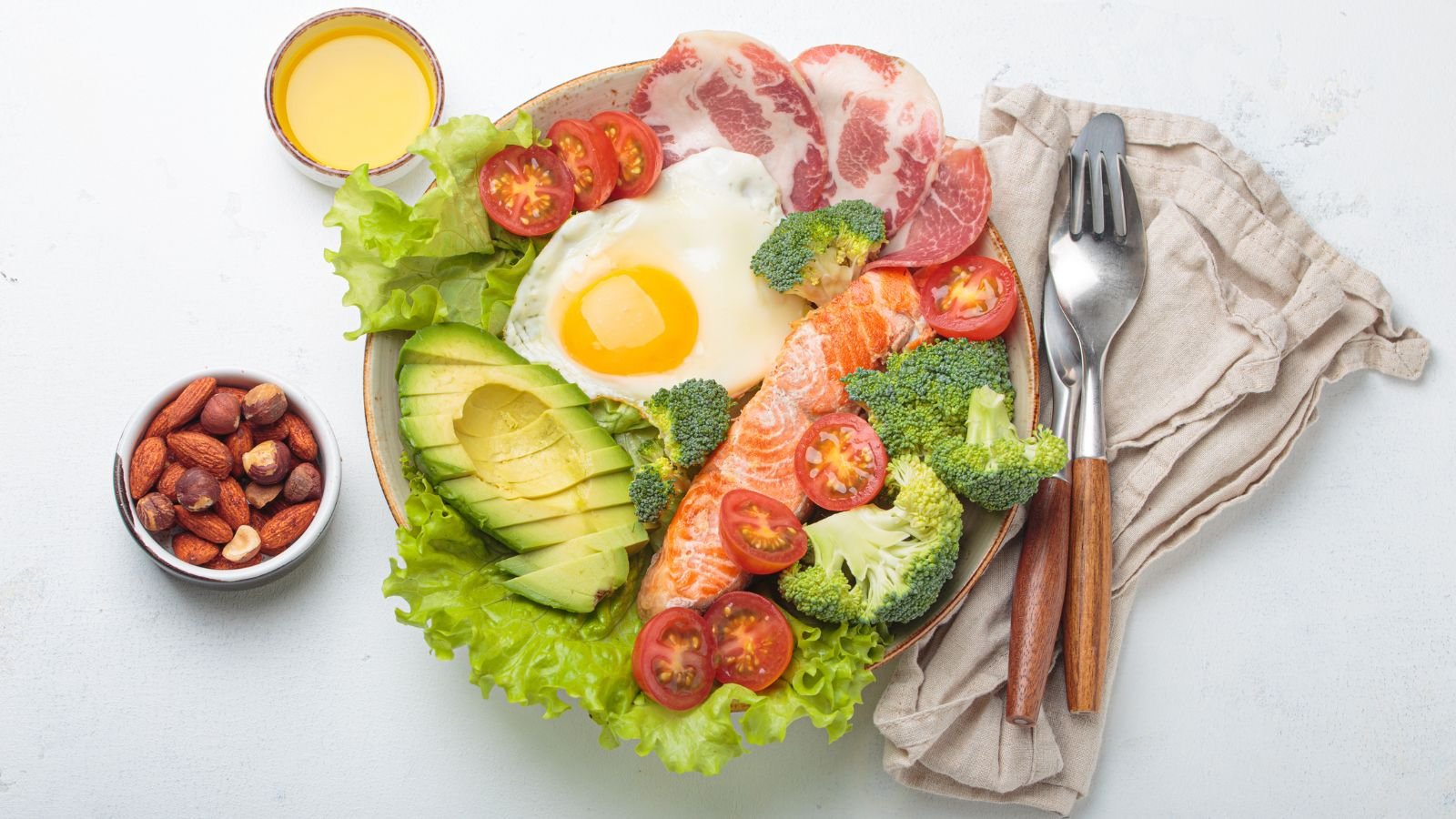
Eggs, vegetables, and a side of protein. Two eggs, cooked the way you like them, with vegetables such as asparagus, zucchini, cauliflower, broccoli, or leafy greens. I often add ground beef, chicken, salmon, or leftovers from the night before. When I want something sweeter, I have toasted Base Culture grain-free bread with almond butter and a little Chia Smash, a low-sugar fruit spread.
Yogurt and berries. I like plain yogurt, ideally grass-fed, especially sheep's-milk yogurt or A2 yogurt such as Alexander Family Farm, which I find easier to digest. Greek yogurt is another good option because it's naturally higher in protein. I top it with fresh berries and a sprinkle of cinnamon.
A quick protein smoothie. On busy mornings, I blend protein powder with unsweetened nut milk, hemp seeds for extra protein, berries, and leafy greens. I use Mt. Capra goat milk whey, but any good-quality, additive-free protein powder can work. A little avocado adds healthy fats, and vanilla adds flavor.
Simple prep for nourishing mornings
Eating well is much easier when a few basics are ready to go. I cook ground beef or chicken ahead and keep portions in the refrigerator or freezer. I keep frozen vegetables on hand for mornings when fresh produce isn't convenient, and I often cook a little extra at dinner so breakfast is half done. It saves time, and a good breakfast is always within reach when the day gets busy.
Quality matters, but it doesn't have to be perfect
When I can, I choose organic vegetables, pasture-raised eggs, grass-fed meat, and wild-caught fish. But don't let perfect become the enemy of good. Conventional broccoli, or the best protein available to you, can still be a better choice than a muffin or a bagel.
A nourishing breakfast doesn't have to be complicated
Ready to start your health journey with support and accountability? Let's chat.
Disclaimer: This blog is for informational and educational purposes only and is not intended to provide medical advice, diagnosis, or treatment. Always consult with your physician or qualified healthcare provider before making any changes to your diet or lifestyle.